
Category: Articles
-
Britain’s First Waterways: The Iron Age
By Matthew Armitage “However that may be, tin and amber certainly come to us from the extremity of Europe.” These words were written nearly 2,500 years ago by Herodotus, the Greek historian often described as the Father of History. He was trying to understand the distant western limits of the known world, where merchants claimed…
-

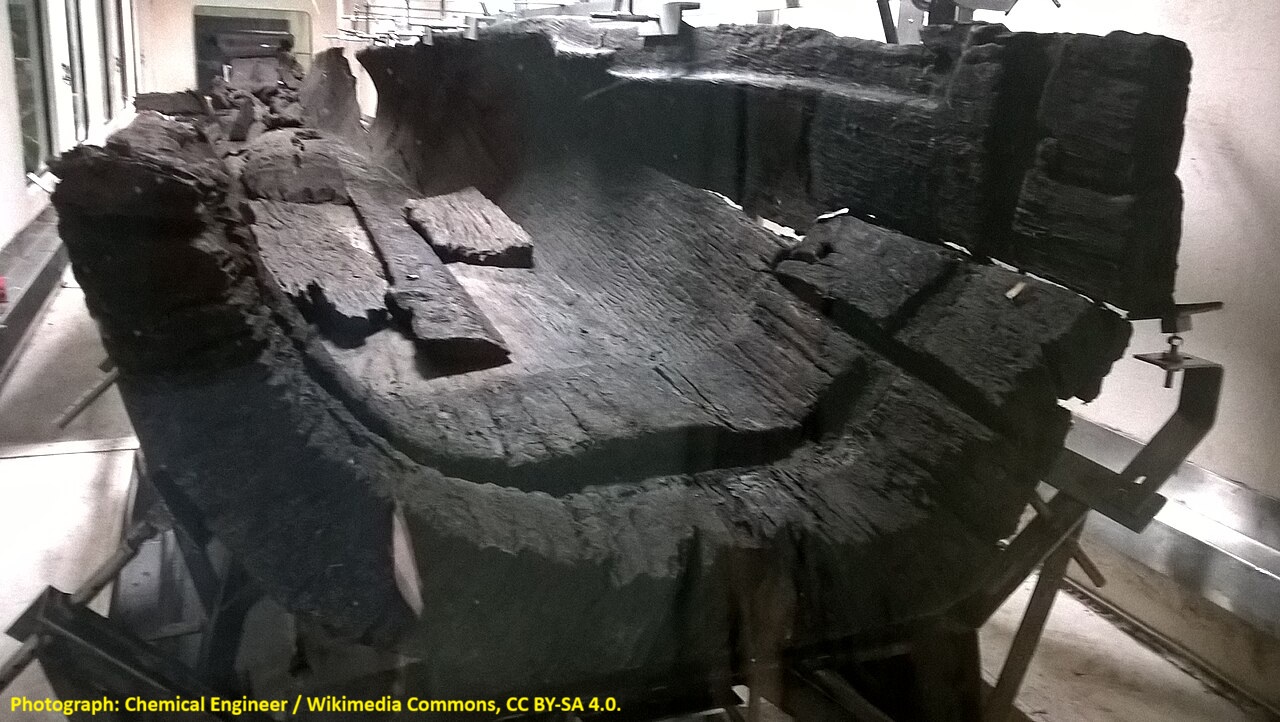
Britain’s First Waterways: The Bronze Age
By Matthew Armitage The First Great Boatbuilders of Britain In September 1992, archaeologists working beneath the streets of Dover made an extraordinary discovery. Almost six metres below the modern town lay the remains of a wooden boat, preserved in the waterlogged ground for more than 3,500 years. The discovery came during the construction of a…
-
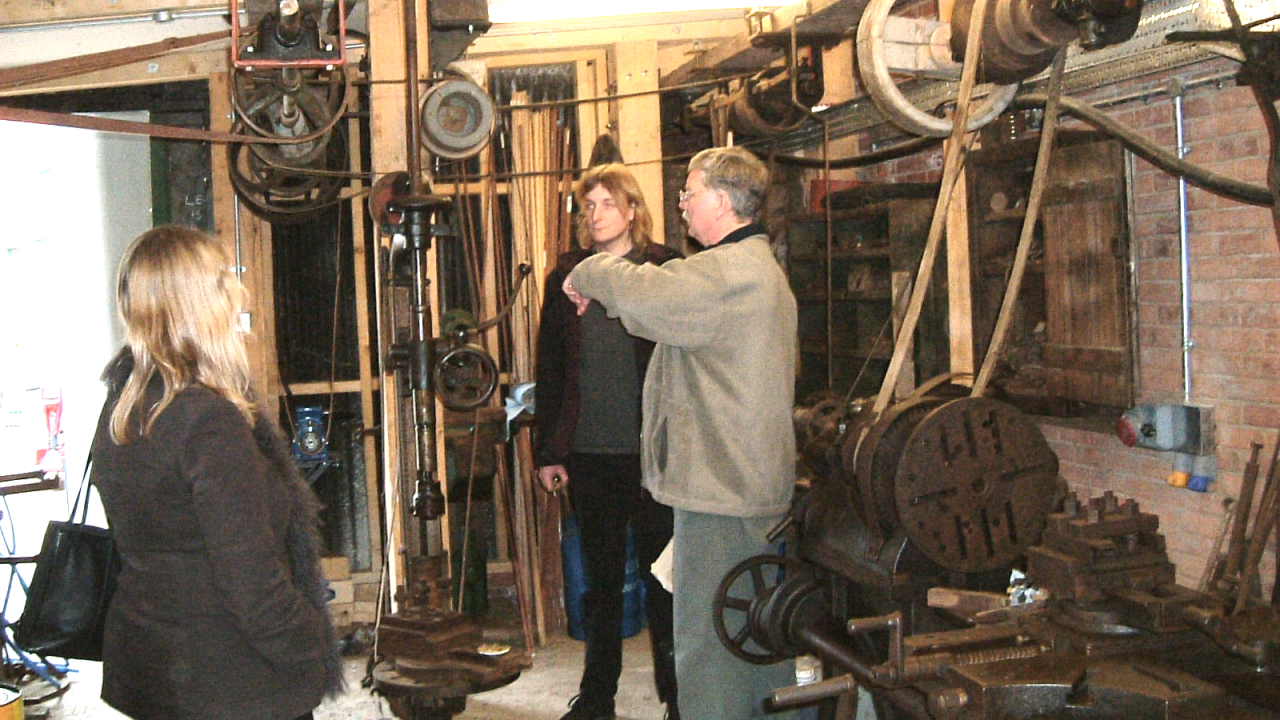
The Industrial History We Are Losing
How much of Britain’s industrial history has already disappeared without us even noticing? Walk down a street called Mill Lane and you might not find any trace of the mill that once stood there. The buildings may have gone, the machinery removed and the people who worked there long since forgotten. Yet for generations, that…
-
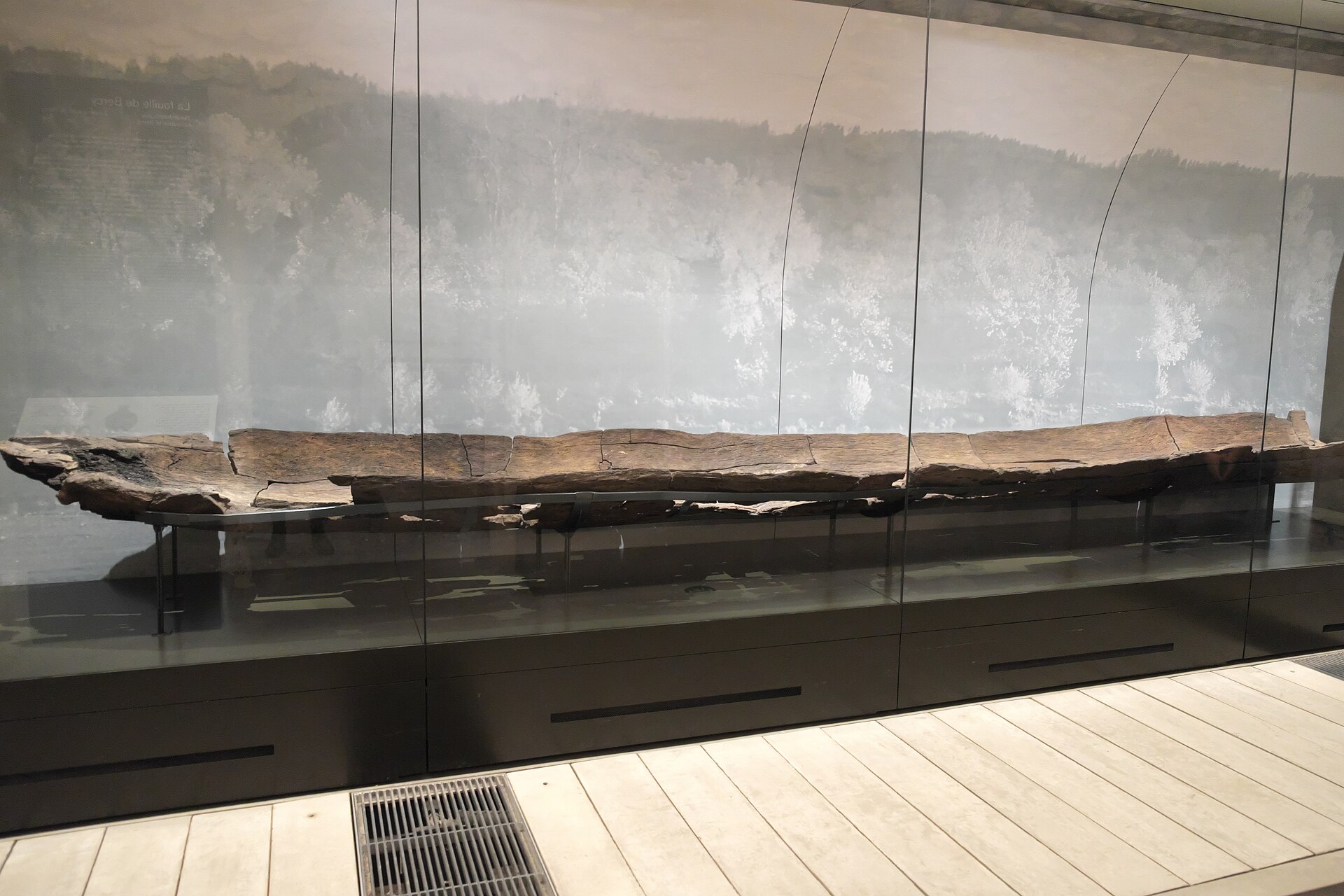
Britain’s First Waterways: The Neolithic
By Matthew Armitage More than five thousand years ago, someone hollowed out an oak tree to make a boat over nine metres long. In 2000, the remains of that vessel were discovered in the mud at Greyabbey Bay, on the shores of Strangford Lough in Northern Ireland. Radiocarbon dating placed the boat between 3499 and…
-
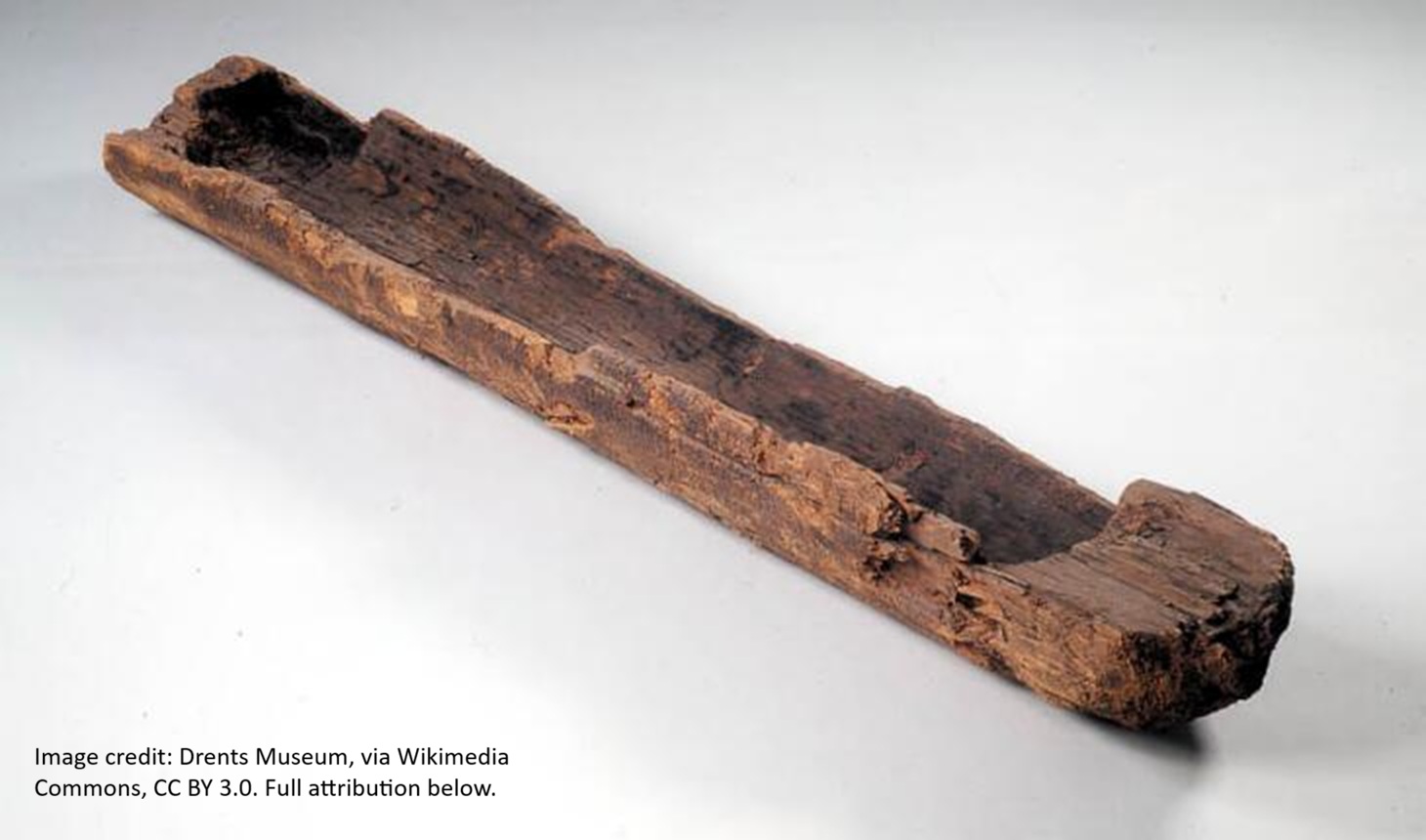
Britain’s First Waterways: The Mesolithic
By Matthew Armitage This is the first in a series of articles exploring how people used Britain’s rivers, lakes and coastal waters throughout history. Beginning with the Mesolithic, which started around 12,000 years ago and lasted until approximately 4000 BCE, the series follows the archaeological evidence for boats and water travel, looking at what has…
-

Why a working boatyard matters to industrial heritage
Wooden Narrowboat Hardy in Tooley’s Drydock I’ve spent the past 24 years running Tooley’s Boatyard in Banbury, following a long line of boatyard operators stretching back to 1778. Today. It remains a working boatyard, an important industrial archaeological site and a Scheduled Monument. What makes Tooley’s particularly important is that it has never stopped being…
-

When the World Went Dark
Pliny the Younger, the eruption of Vesuvius and the archaeology of a Roman catastrophe Roman fountain at the corner of Via Consolare and Vicolo di Modesto, Pompeii. By Matthew Armitage Nearly two thousand years ago, a Roman writer received a request from his friend, the historian Tacitus. He wanted to know how Pliny the Elder,…
-
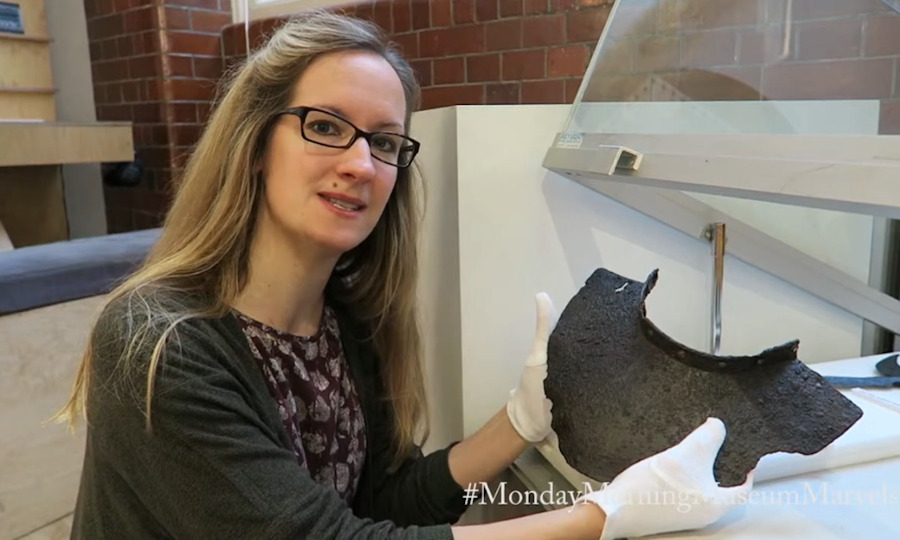
The Godstow Gorget
I found this … in the River Thames at Godstow in north-west Oxford. I contacted the Royal Armoury at the Tower of London and sent them a drawing. They identified it as a piece of Civil War armour – a gorget, worn around the throat. They said that it was very rare and dated it…
You must be logged in to post a comment.